
14 Apr 2025
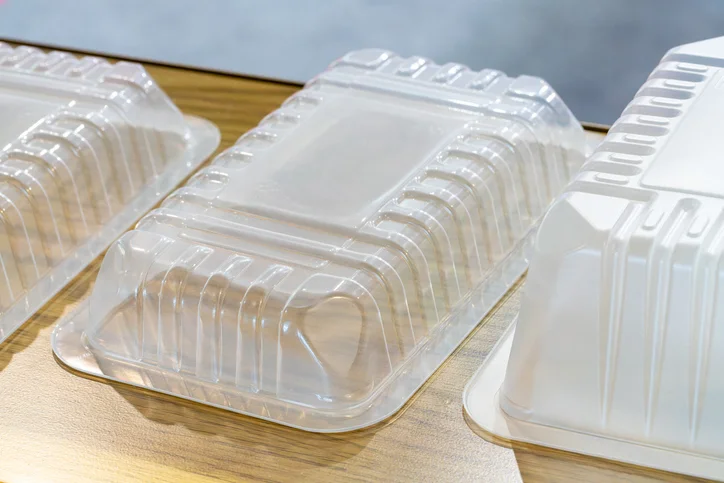
An upturned, opaque plastic food tray on a wooden table.

When you’re planning a new plastic product, choosing the right manufacturing method is critical. Two popular options are injection molding and thermoforming. Each process comes with its own strengths, costs, and design capabilities — so picking the right one can make all the difference in your project’s success. In this guide, we’ll dive into what […]

27 Mar 2013

While a change to a product after launch can be quite expensive, making changes during the design stage is relatively inexpensive. Plastic part design is no exception. With today’s CAD software, it has never been easier to visualize, test, and modify designs. The Cost of Change    A well-designed plastic part involves numerous variables that […]

17 Jun 2015

Rex Plastics Product Development Plastic Part Design Fundamentals Injection Molding Plastic design is the building block of plastics manufacturing, and can make or break not only the initial investment required to get a product launched, but the long-term profitability of that product. In this series, we will discuss the fundamentals of this very important component […]

A twenty dollar bill slithers through two metal gears. The number 20 on this US dollar is clearly visible.

Scaling up to production cost efficiently involves optimizing processes and minimizing costs without compromising quality. By carefully planning each step and leveraging the right resources, you can achieve a seamless transition from prototype to full-scale injection molding production.   Is injection molding expensive? Injection molding can be perceived as expensive due to the initial costs […]

16 Aug 2021
Three plastic cases rest on top of a stack of more plastic cases

Understanding Mass Production Mass production is the backbone of modern manufacturing, enabling companies to produce large quantities of products efficiently and cost-effectively. This production method involves the use of standardized processes and assembly line techniques to create identical items on a large scale. By using mass production systems, manufacturers can meet high demand, reduce labor […]

07 Jul 2021
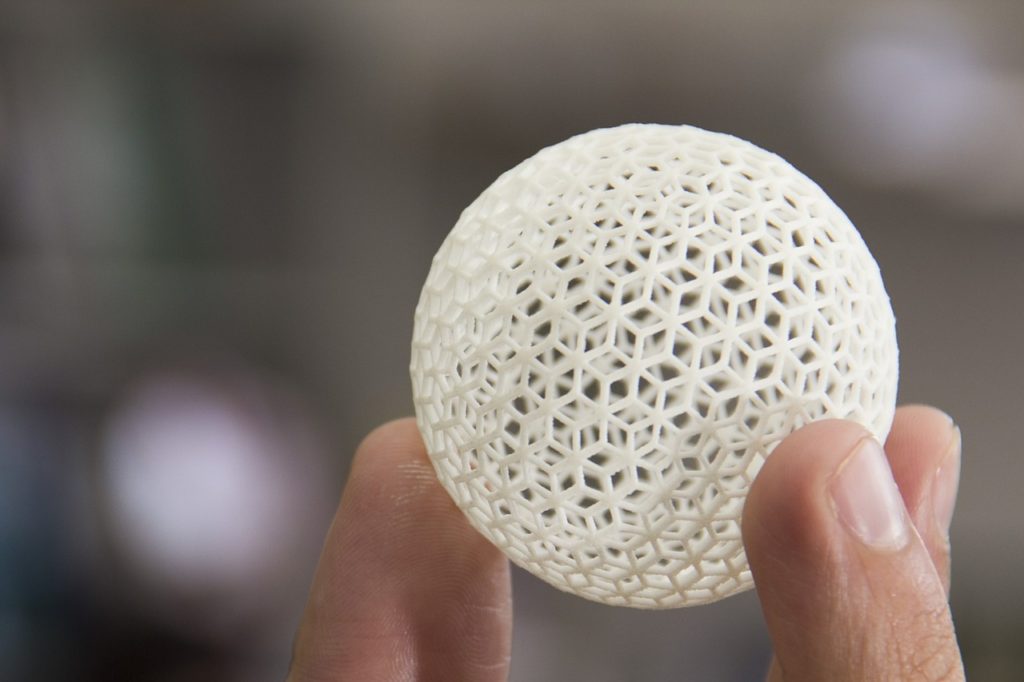
white rapid prototype ball

Manufacturing plastic prototypes – where to start The first step in every product’s life is prototyping. Whether it’s a brand new idea or an improvement on an old design, prototyping allows designers to test products before going to production. From consumer goods to industrial, every field across every industry benefits from the ease and affordability […]

10 Feb 2025
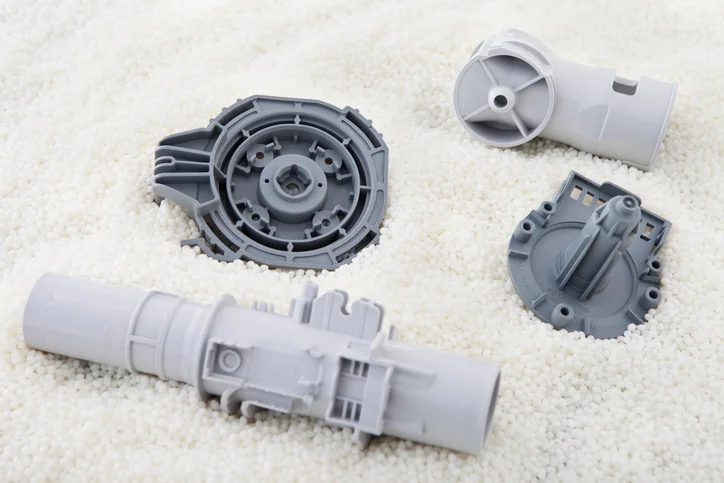
Gray POM plastic car gears nestled among white plastic nurdles.

Polyoxymethylene (POM), commonly known as acetal plastic or acetal resin, is an engineering thermoplastic widely recognized for its superior mechanical properties, dimensional stability, and resistance to moisture and chemicals. In this blog, we’ll explore the defining characteristics of POM, its advantages in injection molding, how it compares to acetal resin, and the diverse applications that […]

11 Nov 2024
A 3D model for an AI design floats in an artist's rendition of an internet ether.

In recent years, Artificial Intelligence (AI) has become a transformative force in various industries, including manufacturing. With the advent of AI design capabilities, like AI 3D printing, the question arises: can AI-generated designs be effectively used in injection molding? As the technology evolves, it’s clear that AI is making significant strides in the field of […]

14 Oct 2024
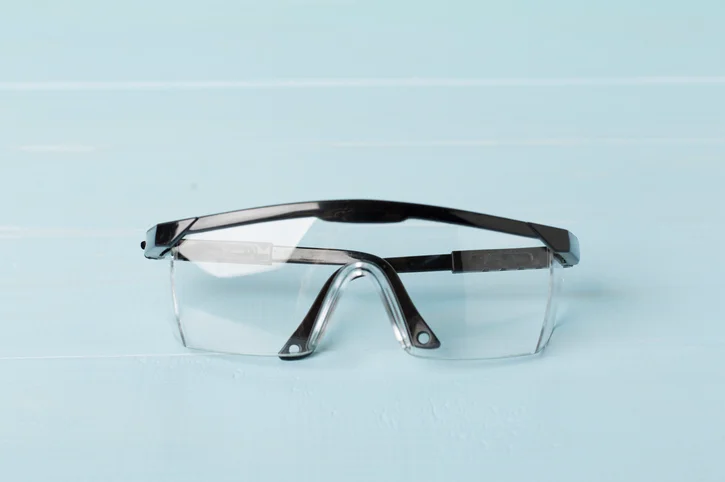
A pair of clear, acrylic safety glasses rests folded on a blue background.

Acrylic injection molding is a popular method for creating durable, transparent, and lightweight parts. Its versatility and resilience make it an excellent choice for various applications, from automotive components to consumer electronics. In this guide, we’ll explore why acrylic is a top choice for injection molding, how to design parts effectively, and whether acrylic injection […]

15 Apr 2024
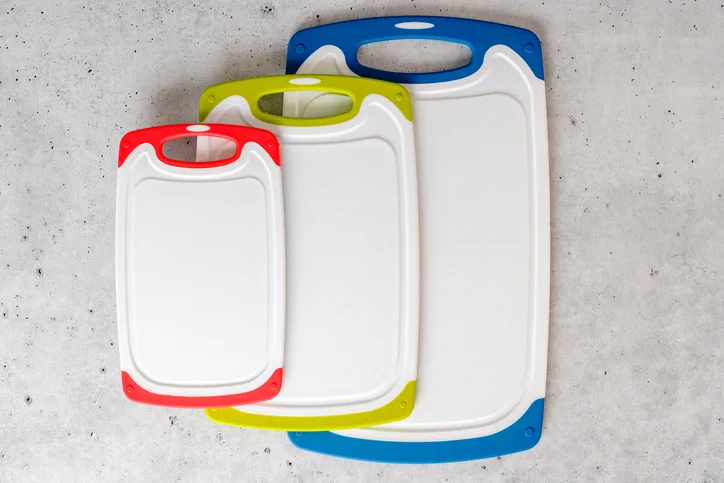
Three cutting boards made of high-density polyethylene lay side-by-side on a countertop.

Polyethylene (PE) and polypropylene (PP) are both thermoplastic polymers, each possessing distinct properties and applications. When comparing polypropylene to polyethylene, it is crucial to recognize that they serve different purposes and are not always interchangeable. Polyethylene is derived from the polymerization of ethylene, while polypropylene results from the polymerization of propylene. Understanding these differences is […]