
20 Jul 2016

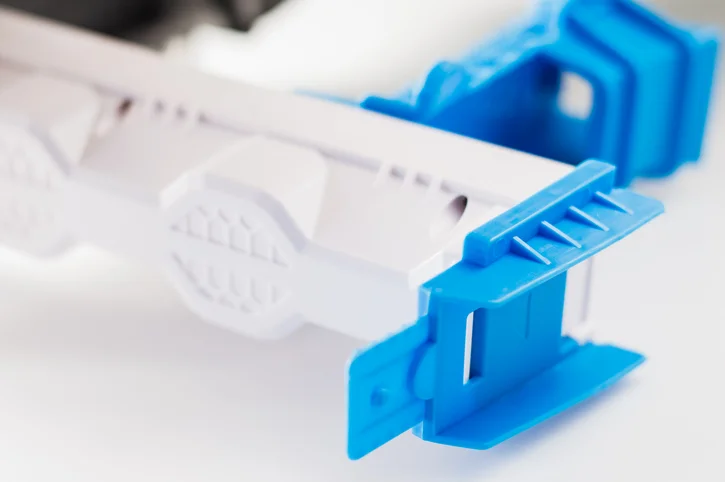
Gates and parting lines are two of the most important design considerations in injection molding. Although they are often overlooked during the early stages of product development, both have a direct impact on part quality, cosmetic appearance, manufacturability, and tooling costs. Every injection molded part requires a gate to allow molten plastic to enter the […]

17 Jul 2026
A welding machine in a medical mask production run.

Ultrasonic welding is one of the most common methods for joining injection-molded plastic parts. It provides a fast, clean, and reliable way to create permanent assemblies without the use of adhesives, solvents, or mechanical fasteners. From medical devices to industrial equipment, ultrasonic welding creates strong, repeatable joints while supporting high-volume production. However, successful welding depends […]

22 Feb 2016
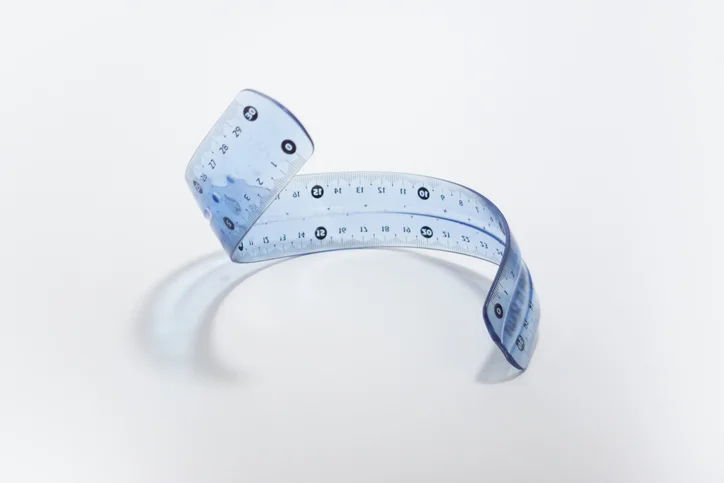
A warped ruler twisting into the air.

Part manufacturers should always give careful consideration to the materials used in plastic part design, as this decision will have significant consequences for sink and warp in plastic injection-molded parts. Let’s take a look at what makes a part sink or warp, and some helpful advice for avoiding these in the injection molding and design […]

10 Feb 2025
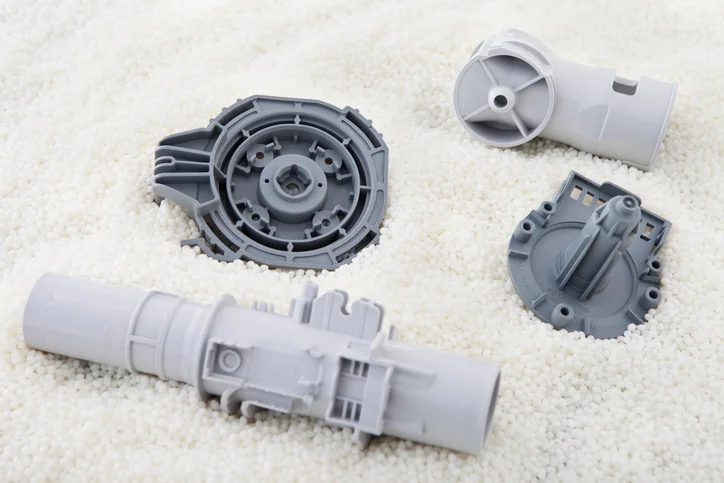
Gray POM plastic car gears nestled among white plastic nurdles.

Polyoxymethylene (POM), commonly known as acetal plastic or acetal resin, is an engineering thermoplastic widely recognized for its superior mechanical properties, dimensional stability, and resistance to moisture and chemicals. In this blog, we’ll explore the defining characteristics of POM, its advantages in injection molding, how it compares to acetal resin, and the diverse applications that […]

27 Mar 2016
An up close image of a plastic water bottle cap. You an see the ribs in the plastic design.

Plastic Rib Design Ribs are a great way to add strength and stiffness to a plastic part without significantly increasing material usage or overall part weight. When designed correctly, ribs help prevent flexing, warping, and deformation in large flat surfaces, allowing designers to maintain thinner nominal wall sections. This approach not only improves part performance […]

14 May 2026
A robotic arm aids in the process of creating food service plastic containers.

In injection molding, part ejection is one of the most important stages of the manufacturing process. Once molten plastic cools inside the mold, the finished part must separate cleanly from the tooling before the next cycle can begin. If ejection is not properly considered during product design, parts may stick, warp, crack, or suffer cosmetic […]

30 Apr 2026
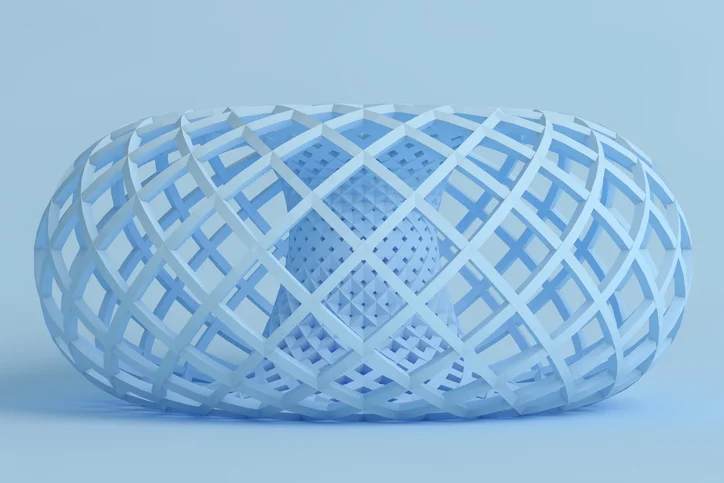
A plastic structure with a lightweight design: blue plastic criss-crosses and supports the piece in its most important places.

Lightweighting has become an increasingly important strategy in plastic part design, particularly for companies looking to improve efficiency and reduce material consumption without compromising performance. In injection molding, lightweighting involves optimizing part geometry, material selection, and structural design to reduce overall weight while maintaining the strength required for the application. While lightweighting is often associated […]

27 Feb 2026
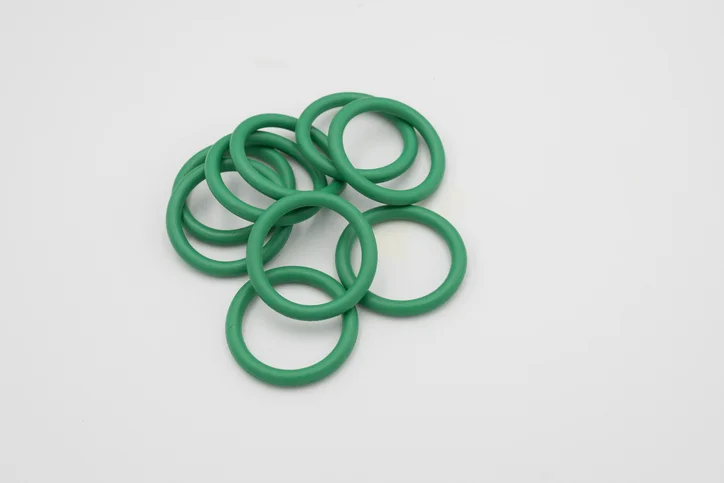
Green o-rings on a white background.

Sealing performance is often one of the most critical but overlooked aspects of plastic part design. Preventing water intrusion, blocking dust, and maintaining internal pressure are cornerstones of properly designed gaskets and sealing features. They truly determine the long-term success of a product. In injection molded assemblies, sealing is not just about adding a gasket. […]

30 Jan 2026
The broken plastic hinge on a toilet seat cover.

What is fatigue strength in plastic parts? Fatigue strength refers to a plastic part’s ability to withstand repeated or cyclic loading over time without cracking or failing. Unlike single-load strength, fatigue strength focuses on how materials behave when stress is applied again and again, even if that stress is well below the part’s maximum strength […]

28 Dec 2025
A blue ruler with a warped defect, making it curved at one end instead of completely straight.

Understanding Injection Molding Defects Injection molding defects are flaws that compromise a part’s appearance, performance, or dimensional accuracy. While some defects are cosmetic, others can impact structural integrity, function, or downstream assembly, making early detection and prevention critical in production environments. Understanding why defects occur allows manufacturers to make informed decisions around material selection, mold […]