
29 Jun 2026
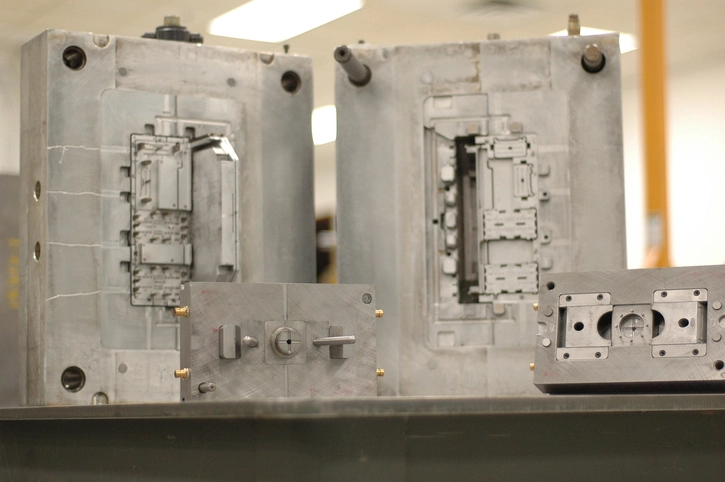
Close up cavity gate system of plastic injection mold for mass production in manufacturing process.

Venting in injection molding is one of the most important yet often overlooked aspects of mold design. While much attention is typically given to part geometry, material selection, and tooling construction, proper venting plays a critical role in ensuring consistent part quality and efficient production. As molten plastic enters a mold cavity, the air already […]

22 Feb 2016
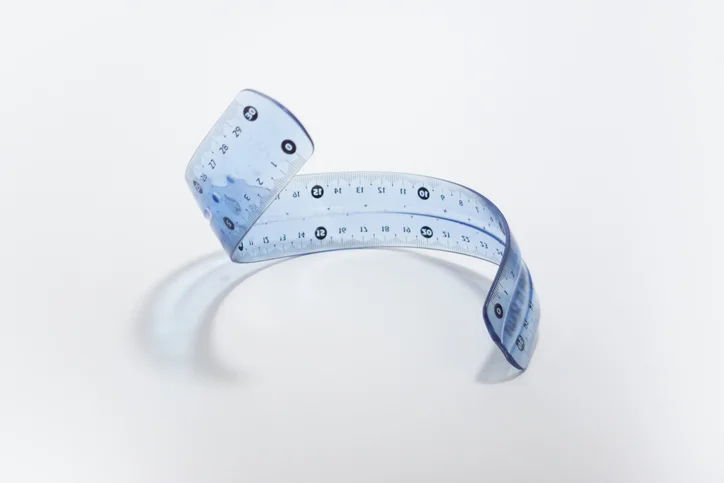
A warped ruler twisting into the air.

Part manufacturers should always give careful consideration to the materials used in plastic part design, as this decision will have significant consequences for sink and warp in plastic injection-molded parts. Let’s take a look at what makes a part sink or warp, and some helpful advice for avoiding these in the injection molding and design […]

26 Aug 2019
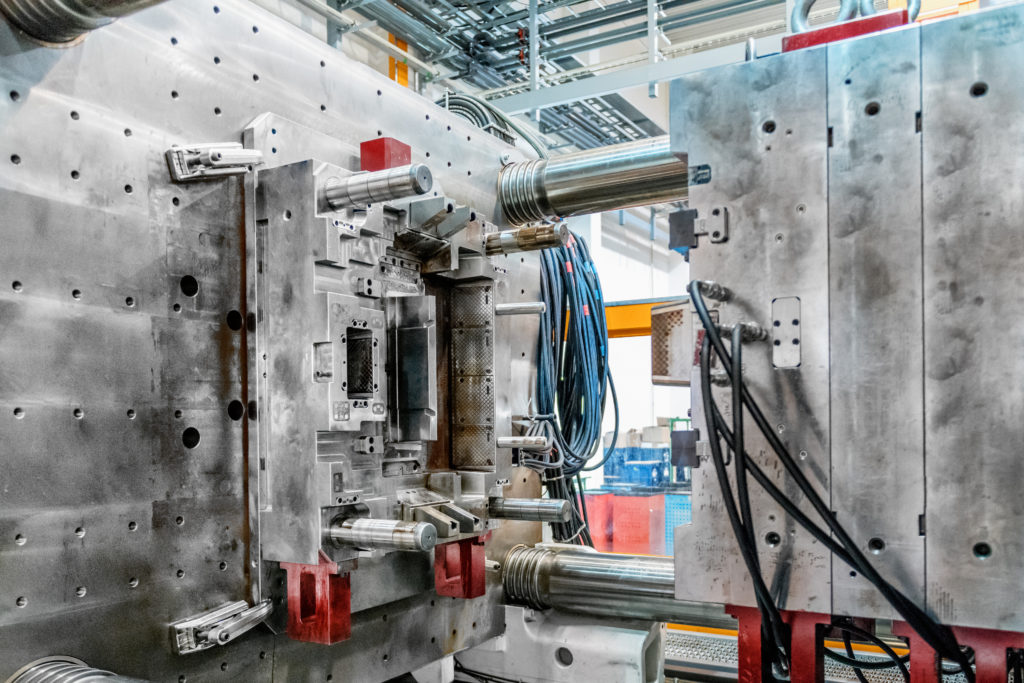
Horizontal color image of molding machine part.

Since its inception in the 1960s, to its acceptance in the 1990s, the hot runner system has challenged tradition across the plastic injection molding business. With their increased cycle speed and decreased waste, hot runners are an attractive solution to many looking to diversify their injection molding process.   What is a hot runner injection […]

26 May 2023

What is a plastic hinge? In injection molding, a plastic hinge refers to a specialized feature designed within a plastic part to provide flexibility and allow rotational movement. The plastic hinge design allows it to endure repeated cycles of bending or flexing without causing permanent deformation or failure of the part. Using the inherent elasticity […]

15 Jul 2013

Injection molding cost can range anywhere from $100 to $100,000+ depending on the scope and intricacy of the project. A small and simple single-cavity plastic injection mold usually costs between $1,000 and $5,000. Very large or complex molds may cost as much as $80,000 or more. On average, a typical mold that produces a relatively […]

10 Feb 2025
Gray POM plastic car gears nestled among white plastic nurdles.

Polyoxymethylene (POM), commonly known as acetal plastic or acetal resin, is an engineering thermoplastic widely recognized for its superior mechanical properties, dimensional stability, and resistance to moisture and chemicals. In this blog, we’ll explore the defining characteristics of POM, its advantages in injection molding, how it compares to acetal resin, and the diverse applications that […]

31 Dec 2023
Three factory workers discuss their business plan.

Why it’s essential to build a business plan for your injection molding project The success of an injection molding project is influenced by how well the project is planned and the foresight you have going into it. A well-crafted injection molding business plan serves as the blueprint for turning your vision into a profitable reality. […]

17 Aug 2025

What is automotive injection molding? Automotive injection molding is the process of creating plastic car parts using specialized molds and injection machines. Molten resin is injected into precision molds, cooled, and released to form consistent, high-quality components. This method is widely used because it offers repeatability, speed, and the ability to manufacture complex shapes. The […]

23 Nov 2025
A resin sitting within a plastic injection mold cavity.

Shrinkage plays a major role in determining the dimensional accuracy of molded plastic parts. Every resin shrinks differently as it cools, and factors like material type, cooling rate, and mold design all influence how much a part changes size after molding. Understanding these variables helps engineers predict final dimensions, reduce warping, and design tooling that […]

27 Mar 2016
An up close image of a plastic water bottle cap. You an see the ribs in the plastic design.

Plastic Rib Design Ribs are a great way to add strength and stiffness to a plastic part without significantly increasing material usage or overall part weight. When designed correctly, ribs help prevent flexing, warping, and deformation in large flat surfaces, allowing designers to maintain thinner nominal wall sections. This approach not only improves part performance […]