
- BY nwmcadmin
- POSTED IN Product Development
- WITH 0 COMMENTS
- PERMALINK
- STANDARD POST TYPE
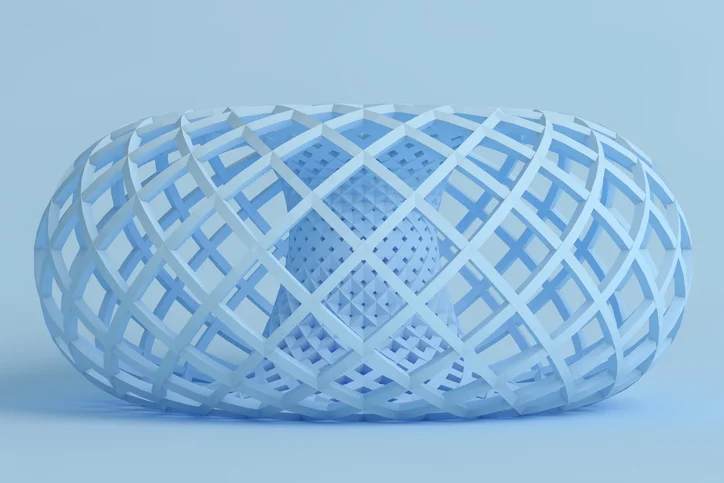
Lightweighting has become an increasingly important strategy in plastic part design, particularly for companies looking to improve efficiency and reduce material consumption without compromising performance. In injection molding, lightweighting involves optimizing part geometry, material selection, and structural design to reduce overall weight while maintaining the strength required for the application.
While lightweighting is often associated with transportation industries, its benefits extend far beyond automotive or aerospace applications. Consumer products, medical devices, industrial equipment, and portable electronics can all benefit from lighter, more efficient plastic components. When approached correctly, lightweighting can support both sustainability goals and long-term product performance.
What is lightweighting in injection molding?
Lightweighting refers to the process of reducing the weight of a component while still maintaining its structural integrity and functionality. In plastic part design, this does not simply mean making parts thinner or using less material indiscriminately. Effective lightweighting requires balancing strength, stiffness, durability, manufacturability, and cost.
In many cases, lightweighting focuses on improving structural efficiency rather than reducing material everywhere equally. By strategically placing material where it contributes the most strength, while foregoing unnecessary plastic, designers can create parts that perform well while using fewer resources.
Why is lightweighting important for sustainability?
Reducing material usage is one of the most direct ways lightweighting supports sustainability. Even small reductions in resin usage can create significant material savings over large production volumes. This can lower raw material consumption and reduce manufacturing waste over time.
Lighter parts can also reduce transportation and shipping weight, helping decrease fuel consumption and logistical costs throughout the product lifecycle. In some applications, lightweight products may also require less energy during operation, further improving overall efficiency.
In addition to environmental benefits, lightweighting can support long-term cost savings. Using material more efficiently can help reduce production expenses while still delivering reliable performance.
How can lightweighting reduce material use without reducing strength?
One of the most important principles in lightweighting is that strength is often determined more by geometry than by total material volume. A well-designed part can maintain stiffness and durability while using significantly less material than a solid or overbuilt design.
Structural efficiency plays a major role in this process. Features such as ribs, gussets, and strategically reinforced areas help distribute loads more effectively across the part. Instead of relying on excessive thickness, lightweighting focuses on using material where it provides the greatest mechanical benefit.
This approach allows designers to reduce unnecessary mass while maintaining the performance required for the application.
What design strategies are commonly used in lightweighting?
Several design strategies are commonly used to support lightweighting in injection-molded parts. These approaches help optimize strength while reducing overall material use.
Wall Thickness
Maintaining relatively uniform wall thickness helps reduce unnecessary material buildup while improving molding consistency. Thick sections often increase cooling time, create sink marks, and contribute to warpage.
Using consistent wall thickness allows the material to cool more evenly, improving both part quality and manufacturing efficiency. It also supports lightweighting by preventing overbuilt regions that add weight without significantly improving strength.
Hollow Structures
Hollow structures and cored-out sections are commonly used to remove unnecessary material from low-stress areas. Rather than creating fully solid parts, designers can strategically place internal voids while maintaining structural support where it is needed most.
This approach reduces resin usage and can improve cooling efficiency during molding. Properly designed hollow structures often achieve similar performance characteristics with significantly lower weight.
Material Selection
Material selection is another important part of lightweighting. Some engineering-grade plastics provide higher strength-to-weight ratios than standard commodity resins, allowing thinner or lighter designs without sacrificing performance.
Glass-filled materials, reinforced resins, and other specialty compounds may support lightweighting goals in certain applications. However, stronger materials can also introduce tradeoffs related to cost, brittleness, or processing complexity. Material selection should always be evaluated alongside overall part geometry and application requirements.
What challenges can it create in injection-molded parts?
While lightweighting offers many benefits, reducing material too aggressively can create new design challenges. Parts that become too thin may lose stiffness, become more flexible, or fail prematurely under load.
Lightweight designs can also increase the risk of warpage, uneven cooling, and dimensional instability. Thin sections may fill differently during molding, which can affect consistency and overall part quality.
Assembly performance must also be considered carefully. Snap fits, fastener locations, and load-bearing features may require additional reinforcement even in lightweight designs. Successful lightweighting depends on balancing weight reduction with realistic performance expectations.
How does it affect manufacturing efficiency?
Lightweighting can improve manufacturing efficiency in several ways. Using less material reduces overall resin consumption, which may help lower production costs over time. Lighter parts can also contribute to lower shipping and handling expenses throughout the supply chain.
In some cases, reduced wall thickness can shorten cooling times and improve cycle efficiency during injection molding. Faster cycle times may increase production throughput while reducing energy usage during manufacturing.
However, lightweighting must still account for proper mold filling, cooling behavior, and process stability. Design changes intended to reduce weight should always be evaluated within the context of manufacturability.
What applications benefit most from this strategy?
Many industries and applications benefit from lightweight plastic part design, including:
- Consumer products
- Medical devices
- Portable electronics
- Industrial equipment
- Handheld tools
- Packaging components
- Wearable products
- Utility enclosures
In many of these applications, reducing weight improves usability, efficiency, shipping costs, or overall product performance.
When should it be considered during product development?
Lightweighting strategies are most effective when considered early in product development. Making major geometry or material changes after tooling has been completed can increase costs and delay production timelines.
Early collaboration between product designers, engineers, and mold manufacturers helps ensure lightweighting goals align with manufacturability and long-term performance requirements. Material selection, structural reinforcement, and molding considerations should all be evaluated together during the design phase.
At Rex Plastics, we help customers optimize plastic part designs for both performance and manufacturability. From material selection and design feedback to mold development and production support, our team works to create efficient, durable plastic components that meet the demands of real-world applications. Contact us today for a free quote and see how we can help your project become a reality.
Frequently Asked Questions
| Question | Answer |
Does lightweighting always reduce part cost? |
Lightweighting can reduce material usage and shipping costs, but it does not always guarantee lower overall costs. Some lightweight designs may require more advanced materials, tooling considerations, or additional engineering work. The overall impact depends on the application and production requirements. |
Can lightweight plastic parts still handle heavy loads? |
Yes, properly designed lightweight plastic parts can still provide excellent strength and durability. Structural geometry, reinforcement features, and material selection all contribute to load-bearing performance. In many cases, optimized designs perform as well as heavier alternatives while using less material. |
Does lightweighting affect product lifespan? |
Lightweighting does not necessarily reduce product lifespan if the design is properly engineered. However, removing too much material or overlooking stress concentrations can increase the risk of premature failure. Successful lightweighting balances weight reduction with long-term durability requirements. |
Are lightweight plastics more environmentally friendly? |
Lightweight plastic designs can support sustainability by reducing material consumption, lowering transportation weight, and improving manufacturing efficiency. Environmental impact depends on multiple factors, including material type, product lifespan, and recycling considerations. |
Referencing content from this page? Please attribute Rex Plastics with either of these links:
https://rexplastics.com/ or https://rexplastics.com/product-development/lightweighting/
Suggested APA citation:
Rex Plastics Blog. (2026, April 30). Lightweighting Strategies for Plastic Part Design. https://rexplastics.com/product-development/lightweighting/