
What is a Biopolymer?
Biopolymers are renewable plastic materials that come from biomass such as corn, wheat, sugar cane, and potatoes. Although most biopolymer products are not 100% petroleum-free, they remain biodegradable and compostable. Once you place biopolymers in a compost environment, microorganisms break them down into CO2 and water, typically within 6 months.
How Do The Physical Properties Compare To Other Plastics?
Today’s biopolymers perform comparably to polystyrene and polyethylene plastics and often provide even more tensile strength than many of those materials. The chart below compares typical mechanical properties of biopolymers with several common plastics:
| Tensile Strength | Impact | Density | |
| Psi | g/cm3 | ft-lb/in | |
| Biopolymers | 7,000 | 0.3 | 1.24 |
| Clear Polystyrene | 6,000 | 0.3 | 1.04 |
| Polyethylene | 3,600 | N/A | 0.95 |
| Polypropylene | 4,000 | 1-2 | 0.9 |
| ABS | 6,500 | 5 | 1.04 |
| Polycarbonate | 9,000 | 10 | 1.2 |
What Can You Use It For?
Biopolymers cannot replace all plastics, but they can serve as a viable alternative to many polystyrene and polyethylene products on the market today. Biopolymer production continues to advance rapidly, and new materials enter the market every month.
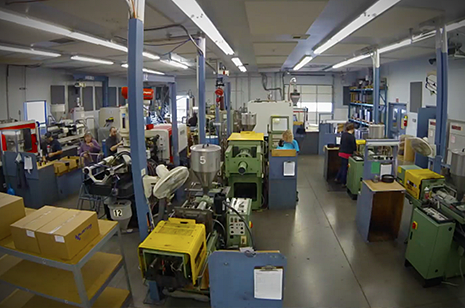
Manufacturers currently use biopolymer molding for food service ware, housewares, packaging, and film, and they also spin it into fabric for apparel. Processors can mold it in clear form or add highly renewable color concentrates.
If you would like to know more about biopolymers or biopolymer molding, we have provided additional resources to support your research. Rex Plastics is eager to help you create an environmentally responsible product for today’s conscientious consumer and to support your project’s success. Please request a quote or give us a call.
For further reading on biopolymers, you can start with an overview of their definitions, origins, and applications on Wikipedia. To explore how compostable bioplastic materials develop for real-world products, visit Cereplast Compostables. If you want to learn more about the technology behind one of the leading biopolymer families used in packaging and consumer goods, you can visit Ingeo Biopolymer.