
- BY nwmcadmin
- POSTED IN Product Development
- WITH 0 COMMENTS
- PERMALINK
- STANDARD POST TYPE
What is sustainable injection molding?
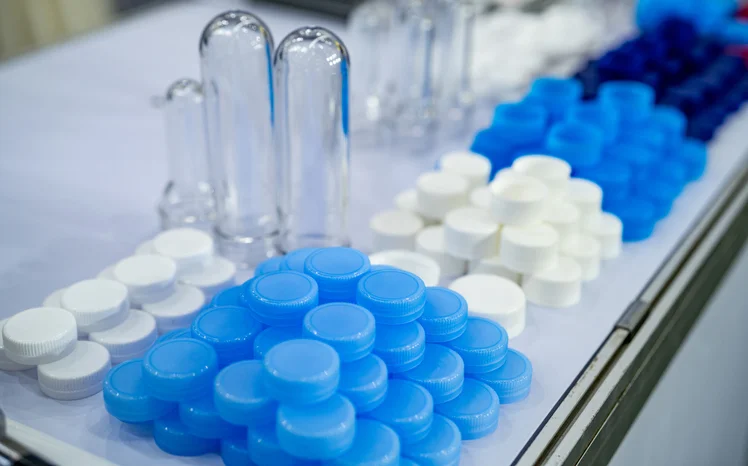
Sustainable injection molding refers to the practice of designing, selecting materials, and executing production in a way that minimizes environmental impact while maintaining quality and performance. Rather than simply making plastic parts, it means choosing smarter resins, optimizing energy usage, reducing waste, and extending product lifecycles so the part you get works well and leaves a smaller footprint.
At Rex Plastics, we recognize that sustainability isn’t just a trend but an increasingly key factor in material selection and production planning. Our design and prototyping teams work alongside injection molding operations to incorporate sustainable options early, helping customers make informed choices.
What does sustainability look like in plastics manufacturing?
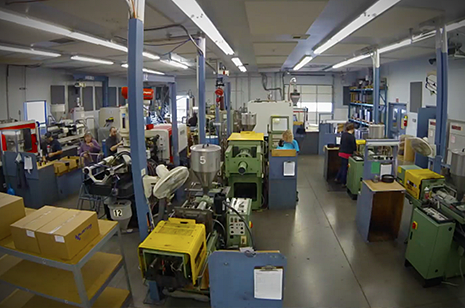
In plastics manufacturing, sustainability shows up in several tangible ways: using recycled or bio-based resins, running equipment more efficiently, designing tooling to reduce scrap, and planning for the product’s end-of-life through recyclability or reuse. For example, machines with variable-speed drives and better heating systems can cut energy use significantly.
It also means working locally when possible, reducing shipping distances, and integrating a culture of continuous improvement. At Rex Plastics we help customers navigate those choices. Even if some materials or processes are outside our direct services, we act as trusted advisors to guide design and material decisions.
What materials support sustainable injection molding?
Nylon PA 11 and Other Sustainable Plastic Materials
Among emerging materials, Nylon PA 11 stands out because it is derived from renewable castor oil, offering a bio-based alternative to petroleum-based nylons. Its mechanical strength, flexibility, and durability help it meet demanding applications while reducing dependence on fossil feedstocks.
Beyond PA 11, sustainable materials include recycled plastics, biodegradable resins, and other bio-based polymers derived from sugarcane, corn, or vegetable-oil sources. While Rex Plastics may not offer all of these materials directly, we can advise on compatibility, processing requirements, and whether they make sense for your part and production volume.
Green Manufacturing Practices in Injection Molding
Energy-Efficient Production Methods
Reducing the energy footprint of injection molding is a major focus in sustainable manufacturing. Upgrading to energy-efficient machines, optimizing process parameters such as temperature and cycle time, and implementing energy-management systems can all yield substantial savings.
For example, process optimization can reduce energy use by 20–30% simply by refining cycle time, improving cooling, or lowering melt temperature. At Rex Plastics we continuously evaluate machine utilization and explore enhancements that drive both cost savings and environmental benefits.
Waste Reduction and Recycling Within Facilities
Minimizing scrap and reusing materials is another cornerstone of green manufacturing. Typical strategies include regrinding excess plastic or runners and reincorporating them, using lean manufacturing methods, and designing tooling that reduces excess material.
Rex Plastics coordinates closely with our mold-making and design teams to ensure tooling and process choices reduce waste from the start.
How to Reduce Carbon Footprint in Manufacturing
The Impact of Sourcing Materials Locally
Sourcing resin, tooling, and other supplies locally or regionally reduces transportation distances, shipping fuel, and associated emissions. Fewer long-haul logistical steps mean a smaller carbon footprint. At Rex Plastics we encourage our clients to consider their supply-chain footprint along with cost and lead time.
Why Staying in the USA Is More Sustainable
Choosing a U.S.-based manufacturer can have sustainability advantages such as shorter shipping distances, fewer trans-oceanic shipments, and greater visibility and control over environmental practices. By partnering with Rex Plastics, based in the U.S., customers gain access to domestic production that supports local jobs and often lowers overall emissions compared to offshore manufacturing.
Partnering With an American Manufacturer
When you partner with a domestic injection-molding supplier like Rex Plastics, you benefit from more direct oversight, tighter communication, and closer alignment of sustainability goals. We support startups, established OEMs, and design engineers alike, helping guide material choice, mold design, cycle optimization, and end-of-life planning.
At Rex Plastics we bring strong engineering knowledge, decades of mold-making and prototyping experience, and a clear understanding of what factors influence cost, performance, and lead time. We invite you to bring your next sustainable-design challenge to us, and let’s work together to build plastic parts you can feel good about. Contact us for a quote today.
Frequently Asked Questions
Question |
Answer |
|---|---|
Can sustainable injection molding also improve part performance? |
Yes. Many bio-based and recycled plastics, like Nylon PA 11, offer comparable or even superior mechanical properties to traditional resins. In some applications, they provide enhanced flexibility, chemical resistance, or durability while still supporting eco-friendly manufacturing practices. |
How do designers account for recyclability in part design? |
Designing for recyclability involves choosing a single polymer type, minimizing mixed materials, and avoiding coatings or additives that complicate recycling. Parts that are easier to disassemble or repurpose at end-of-life reduce waste and support closed-loop production systems. |
Are there certifications for environmentally friendly plastic parts? |
Yes. Certifications such as ISO 14001 for environmental management, UL Environment labels, or bio-based content verification can demonstrate sustainable practices. These provide customers and regulators with confidence that manufacturing processes and materials meet recognized environmental standards. |
What role does additive manufacturing play in sustainability? |
Additive manufacturing, or 3D printing, can complement sustainable injection molding by reducing prototyping waste, shortening lead times, and allowing precise material usage. It’s a useful tool for testing sustainable designs before committing to full-scale injection molding runs. |
Referencing content from this page?
Please attribute either https://rexplastics.com/ or https://rexplastics.com/product-development/sustainable-injection-molding/
Suggested Citation:
Rex Plastics. (2025, October 28). Sustainable Injection Molding Practices. https://rexplastics.com/product-development/sustainable-injection-molding/