
- BY nwmcadmin
- POSTED IN Product Development
- WITH 0 COMMENTS
- PERMALINK
- STANDARD POST TYPE
Sealing performance is often one of the most critical but overlooked aspects of plastic part design. Preventing water intrusion, blocking dust, and maintaining internal pressure are cornerstones of properly designed gaskets and sealing features. They truly determine the long-term success of a product.
In injection molded assemblies, sealing is not just about adding a gasket. It requires careful consideration of surface design, compression, material behavior, and tolerance stack-up. Addressing these factors early in development helps prevent leaks and warranty issues, which could lead to costly redesigns.
Why Is Proper Sealing Critical in Injection-Molded Plastic Parts?
A seal that works during initial assembly may not perform the same way after months of use. Vibration, temperature changes, creep, and material relaxation can all reduce sealing force over time. If sealing requirements are not built into the design from the start, even minor dimensional variations can lead to failure.
In medical, industrial, and consumer products alike, leakage can affect safety, compliance, and brand reputation. Designing for reliable gasket compression and sealing performance ensures the product maintains functionality throughout its intended lifespan.
What Types of Seals Are Common in Plastic Part Design?
Different sealing methods serve different applications. Choosing the correct approach depends on geometry, environmental exposure, assembly method, and service requirements.
When Should You Use a Gasket?
A gasket is commonly used between two mating plastic housings to create a seal under compression. Gaskets are typically flat or custom-profiled components made from elastomeric materials. They work well when sealing larger surface areas or irregular shapes.
Gaskets are especially useful when disassembly may be required, or when sealing performance must accommodate some dimensional variation between components. Proper groove design and compression control are essential for long-term reliability.
When Is an O-Ring the Better Choice?
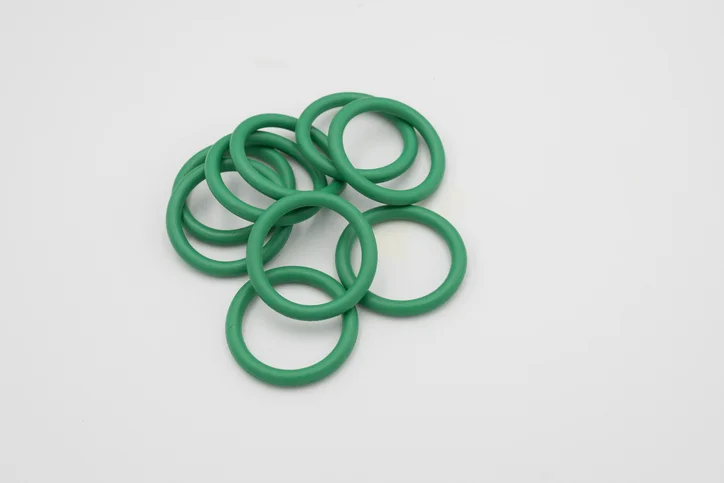
O-rings are circular elastomer seals designed to sit within a defined groove. They are often used in cylindrical or pressure-containing applications. Because O-rings have standardized cross-sections and compression ranges, they are effective in controlled environments with predictable geometry.
However, O-ring performance depends heavily on accurate groove dimensions and compression percentages. Even small tolerance errors can significantly impact sealing effectiveness.
How Do Snap Seals Work in Plastic Assemblies?
Snap seals integrate sealing features directly into the molded plastic components. These designs may use molded ribs, flexible lips, or interference fits to create a seal without a separate gasket.
While snap seals reduce part count, they require careful design to ensure sufficient compression without overstressing the plastic. Material selection and fatigue considerations become especially important in repeated-use assemblies.
What Should You Know About Gasket Design in Plastic Assemblies?
Designing around a gasket involves more than simply adding a soft component between two parts. The mating surfaces must provide consistent compression across the entire sealing area. Uneven loading can lead to localized gaps and premature leakage.
Compression percentage is critical. Too little compression may not create a reliable seal, while too much compression can cause gasket extrusion, permanent deformation, or compression set. Defining an appropriate compression window helps account for part variation and long-term material relaxation.
Groove design also plays an important role. Proper gland depth, width, and support help maintain gasket positioning during assembly and use. These features should be designed alongside mold tolerances and shrinkage expectations to ensure predictable sealing performance. Read more about shrinkage in our in-depth blog here.
How Does Surface Design Affect Seal Performance?
Flatness and surface quality directly influence sealing effectiveness. Warped or uneven sealing surfaces can prevent consistent gasket compression, especially in larger housings. Maintaining uniform wall thickness and balanced cooling can help minimize distortion in sealing regions.
Surface finish also matters. Excessively rough or textured sealing faces may create micro-pathways for leakage. In critical applications, smoother finishes in gasket contact areas improve reliability and reduce the risk of seal failure.
How Much Compression Is Required for a Reliable Gasket Seal?
Most elastomeric gaskets and O-rings require a specific compression range to function properly. This range varies depending on material hardness and application requirements. Designing outside this window can shorten seal life or cause immediate performance issues.
Over-compression increases stress on both the gasket and the plastic housing. Under-compression may allow leaks from the start. Designing the assembly so that dimensional variation still maintains acceptable compression is key to long-term success.
How Do Material Choices Impact Sealing Performance?
Gasket materials vary widely in hardness, chemical resistance, and temperature stability. Selecting the appropriate elastomer depends on the operating environment, including exposure to moisture, chemicals, or heat.
The plastic housing material also matters. Some plastics creep under sustained load, which can reduce sealing force over time. When designing for long-term performance, both the gasket material and the molded plastic must be evaluated together.
How Does Tolerance Stack-Up Affect Plastic Part Sealing?
Tolerance stack-up refers to the accumulated dimensional variation across multiple components. In sealing applications, even small variations can significantly alter compression levels.
Designing for worst-case conditions ensures that the gasket remains within its functional compression range across all manufactured parts. Accounting for mold shrinkage, material variability, and assembly alignment helps reduce the risk of unpredictable sealing performance.
Can Injection Molding Conditions Influence Seal Reliability?
Injection molding conditions can impact sealing performance through warpage, residual stress, and dimensional variation. Gate placement near sealing surfaces may introduce stress or cosmetic variation that affects flatness.
Consistent process control and thoughtful mold design help maintain predictable dimensions in sealing regions. Collaborating early with your molding partner ensures that stable manufacturing conditions support the sealing features.
When Should Sealing Requirements Be Addressed During Product Development?
Sealing requirements should be addressed during the earliest stages of product development. Waiting until tooling is complete to evaluate gasket compression or surface flatness can lead to costly modifications.
At Rex Plastics, we work with customers from product development through mold building and production. By evaluating gasket design, material behavior, and tolerance considerations early, we help ensure reliable sealing performance long after the first parts are molded.
Contact us today to see how we can help you with your next plastic injection molding project!
Frequently Asked Questions
| Question | Answer |
|---|---|
Can a plastic part seal without a separate gasket? |
Yes, some designs rely on molded interference features, flexible lips, or overmolded elastomers instead of a separate gasket. However, these approaches require precise dimensional control and material compatibility. For demanding environments involving pressure, chemicals, or temperature extremes, a dedicated gasket often provides more predictable long-term performance. |
How does compression set affect gasket performance over time? |
Compression set refers to the permanent deformation of a gasket after it has been compressed for an extended period. As the compression set increases, the sealing force decreases, which can eventually lead to leaks. Selecting materials with low compression set characteristics and designing within recommended compression ranges helps extend service life. |
Should gasket grooves be designed before or after mold tolerances are finalized? |
Develop gasket groove design alongside mold tolerance planning. Because molded plastic parts have natural dimensional variation due to shrinkage and processing conditions, groove depth and width must account for realistic tolerances. Designing these features in isolation can result in inconsistent compression across production runs. |
How can environmental exposure impact gasket performance? |
Exposure to UV light, moisture, oils, cleaning agents, or temperature extremes can degrade gasket materials over time. Chemical compatibility and environmental testing should be considered early in development. A gasket that performs well in laboratory conditions may behave very differently in its actual operating environment. |
Referencing content from this page?
Please attribute either https://rexplastics.com/ or https://rexplastics.com/product-development/gaskets-o-rings-snap-seals/
Suggested Citation:
Rex Plastics. (2026, February 27). A Guide to Gaskets, O-Rings, & Snap Seals. https://rexplastics.com/product-development/gaskets-o-rings-snap-seals/.